What countries are traditionally considered part of Eastern Europe?
Traditionally, Eastern Europe includes countries that were historically part of the Soviet bloc or influenced by it. Key nations often cited are Poland, Czech Republic, Hungary, Slovakia, Romania, Bulgaria, Ukraine, Belarus, Moldova, and the Baltic States (Estonia, Latvia, Lithuania). These countries share a complex history and distinct cultural identities, making them fascinating for US travelers to explore for their unique experiences and rich heritage.
Is Eastern Europe safe for US tourists to visit?
Yes, Eastern Europe is generally considered safe for US tourists, with many countries being members of the European Union and NATO. Major cities like Prague, Budapest, and Krakow are popular tourist destinations with standard precautions advised against petty crime. Research specific travel advisories for regions closer to conflict zones, but overall, travelers can enjoy a secure and welcoming experience across most of the region's top destinations and attractions.
What is the best way to travel between countries in Eastern Europe?
The best way to travel between countries in Eastern Europe often involves an efficient mix of trains, buses, and budget airlines. An extensive rail network connects major cities, offering scenic and comfortable journeys. Companies like FlixBus provide affordable bus routes, while budget airlines offer quick flights for longer distances. Renting a car offers flexibility for rural exploration, but research local driving laws and permits beforehand for a seamless journey.
What currency is used across Eastern Europe?
While many Eastern European countries are part of the European Union, not all use the Euro. For instance, Poland uses the Zloty, the Czech Republic uses the Koruna, and Hungary uses the Forint. Countries like Slovakia and the Baltic States use the Euro. It is crucial for US travelers to research the specific currency for each country on their itinerary and plan accordingly for cash and card payments to avoid any inconvenience.
Are English speakers common in Eastern Europe?
English is widely spoken in tourist areas, major cities, and among younger generations across Eastern Europe, making communication generally easy for US travelers. Hotel staff, restaurant servers, and attraction guides often have good English proficiency. In more rural areas, knowing a few basic phrases in the local language can be helpful and appreciated, enhancing your cultural immersion and overall travel experience in the region.
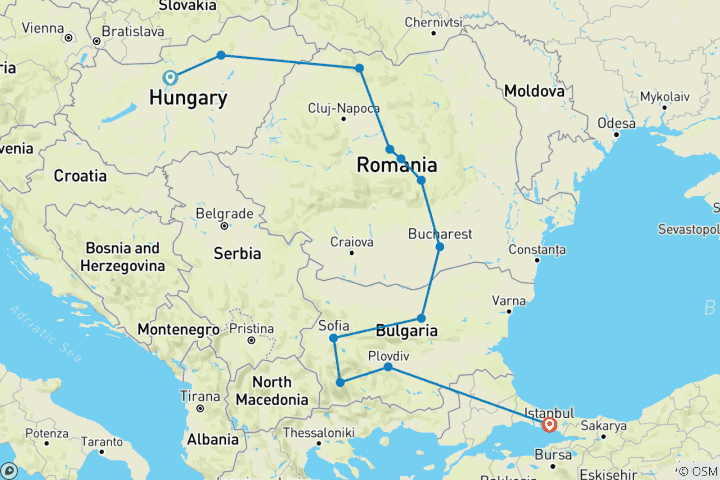
Unlock the mysteries of Eastern Europe with our comprehensive guide tailored for US travelers seeking navigational and informational insights. Discover the diverse countries that form this captivating region, from the Baltic States to the Balkans, and understand their geographical placement. This resource helps you visualize key travel routes, explore unique cultural landscapes, and plan your journey with confidence. Learn what to expect regarding transportation, must-see destinations, and local highlights, ensuring you make informed decisions for your next adventure. Whether you're researching historical sites, vibrant cities, or scenic landscapes, this description equips you with the knowledge to decide, compare, and prepare for an unforgettable Eastern European experience, focusing on current relevance for American explorers.
Frequently Asked Questions
Which countries are included in a typical Eastern Europe map?
A typical map of Eastern Europe often includes countries like Poland, Czech Republic, Hungary, Slovakia, Romania, Bulgaria, Ukraine, Belarus, Moldova, and the Baltic States. These nations generally share historical and geographical connections, offering diverse cultural experiences for U.S. travelers planning their itineraries and seeking unique destinations.
How can US citizens travel to Eastern Europe easily?
US citizens can travel to Eastern Europe easily via direct or one-stop flights to major airports like Warsaw, Prague, or Budapest. Once there, an extensive network of trains and buses connects cities. Most countries offer visa-free entry for short tourist stays, simplifying entry. Always check specific country requirements for seamless travel planning.
What are the main attractions on a map of Eastern Europe?
Main attractions on an Eastern Europe map include iconic cities like Prague with Charles Bridge, Budapest's thermal baths, and Krakow's Wawel Castle. Other highlights feature Romania's Transylvania castles, Slovenia's Triglav National Park, and the Baltic States' medieval old towns. These diverse sites offer rich history, culture, and natural beauty for visitors.
Is a guided tour recommended for Eastern Europe travel?
A guided tour can be highly recommended for Eastern Europe, especially for first-time US travelers, as it simplifies navigation, cultural understanding, and logistical planning. Tours often provide deep historical insights, access to local experts, and handle transportation and accommodation. However, independent travel offers greater flexibility to explore at your own pace.
What kind of budget should I expect for Eastern Europe travel?
Eastern Europe generally offers a more budget-friendly travel experience compared to Western Europe for US travelers. Daily expenses can range from 50 to 150 USD, depending on your travel style, accommodation choices, and activities. Flights from the US are often the most significant cost, so booking in advance is crucial for savings.
Where can I find detailed maps for Eastern Europe cities?
Detailed maps for Eastern Europe cities are readily available through several sources. Online platforms like Google Maps or OpenStreetMap provide comprehensive digital navigation. Many tourist information centers in cities offer free physical maps upon arrival. Additionally, travel guidebooks often include detailed city maps, assisting US travelers with their local exploration.
Eastern Europe map countries, best cities to visit Eastern Europe, travel routes Eastern Europe, cost of travel Eastern Europe from US, Eastern Europe attractions, history of Eastern Europe, navigating Eastern Europe, planning a trip to Eastern Europe


Maps Of Eastern European Countries Easterneuropemap 56a39f195f9b58b7d0d2ced2 Europe Map Vector Political Stock Illustration Download Image Now Central And Multi Color With Highways Major Cities E EURO 533834 Comp 533834 2095DED55A7DC5BE8CF43E177E52B58F Quiz Diagram Quizlet TC9OKRKSD9K7QXIBVHOPNA B TC9OKRKSD9K7QXIBVHOPNA Printable 1250077 Free World Geography Class Mrs Aguilar S Social Studies 184 2026 Photos Royalty Wroclaw Poland March Close Up Showing Ukraine Romania Hungary Slovakia Black 446559649 Today Historical Atlas January 2026 Omniatlas EUROPE20260115.


Maps Of Eastern Europe Free PDF Printables Printablee Political Map 400093 Karte 9006 En 9006 184 2026 Stock Photos Royalty Wroclaw Poland March Close Up World Showing Ukraine Belarus Russia Baltic 446559919 Public Domain By PAT The Open Source EEURBLU2 East Carte G Ographique De L Est EPGTY European Countries Download Il 1588XN 5437449604 Nbet 1588XN 5437449604 Fullxfull 5437451736 Ghks 5437451736 Central And South Division UNGEGN Home UNGEGN24 Digital Printable 5759772797 MDC7 5759772797 MDC7 Revised 56a39e575f9b58b7d0d2c8e0 Easterneurope Key Risks Facing In 2026 Aretera Cee Website Picture.


Best Eastern Europe Tours Trips 2025 2026 Tourradar 71623 6ed2 71623 6ed2 Map With 2026 Year A 3D Render Of The 2026 1000 F 1754972348 MPLOVJH9CEBUVWDLHQWSGNNNO1Z5KSX4 1000 1754972348 MPLOVJH9CEBUVWDLHQWSGNNNO1Z5KSX4 148 2026 Stock Photos Free Royalty Creative Display Using Wooden Blocks Parts Asia 419727777 In 2026 On Craiyon 7C58480F091B433B994FDE775459718A 137 2026 Future Planning Showing Concept 419099971 Intervention Detailed Editable Regions Cities And Towns 1000 406407332 KXIDWJYM09DUO4PUYKOSM50FKGMDYU89 1000 406407332 KXIDWJYM09DUO4PUYKOSM50FKGMDYU89 Political 2024 United States Mapeastern Social Trends Il Fullxfull 4086381539 7MYP 4086381539 7MYP Mapped Where Does Begin End WEB.